Most companies never do content design at all. When they finally do, it usually starts as a damage assessment — someone reviewing what a developer already built.
Content design, in the real world, starts as a review. The structure, the hierarchy, the format decisions — these should come before the build. They almost never do. The interesting thing is what happens when they finally do.
01Content Design Starts as a Review
Nobody budgets for content design. It doesn't show up in a project scope the way development or design does. What usually happens is that someone notices the navigation makes no sense or the page hierarchy buries the most important information and that’s when content design enters the process as a damage assessment.
Sarah Winters built the GOV.UK content design system the same way: not from scratch, but by fixing what was already broken.
And this workflow makes sense when you view content design as a review – you cannot fix what’s not built.
In 2011, Sarah Winters was brought into the UK Government Digital Service to fix GOV.UK. Instead of a blank canvas to work with, Sarah was given a spider web of 3,500 government websites. The content was contradictory, duplicated, and written for the department, not the citizen.
The process of creating a unified GOV.UK website and reducing thousands of pages to less than a hundred led to this new framework.
The field got its name and its frameworks from a project that started as damage control. That's the origin story of the discipline, and it's still how most of it gets done.
02What Content Design Looks Like in Practice (and What It Decides)
A content designer entering after a build is working within constraints they didn't set. They can suggest changes inside the existing logic but they cannot rewrite the logic itself.The recommendations are cautious and even incomplete at times.
Most of those recommendations are structural – hierarchy, format, labeling, what each page is responsible for, what gets shown in what order. Hierarchy is the clearest example. It decides what comes first, but it also decides what shouldn't be there at all – and it’s critical not every piece of information makes it to the finished product.
When a content designer is present at the start, they can specify what a system must communicate – to whom, at what point in the journey, in what format – before wireframes exist. That way, decisions aren't inherited from whatever a visual designer defaulted to.
Winters' team used a fixed structure for every user need: as a [person], I need [something] in order to [outcome]. Through this sequence we establish what someone is trying to accomplish before deciding what content serves it. That order alone prevents an enormous amount of structural waste downstream.
A visual designer works from a brief outward. A content designer works from a hypothetical user inward – reconstructing what they know, what they don't know, what they're trying to accomplish, and what vocabulary they'll use to navigate – then building content that meets them exactly there.
03What Happens When the Scope Opens
A content designer working from the outside in is limited to what the existing design permits. When the scope expands, that changes.
When content design enters during discovery rather than after delivery, its function shifts from assessment and damage control to architecture and designing a narrative. Specifying what a system must communicate, to whom, at what point in the user journey, in what format, and at what reading level, before wireframes are produced, so that format decisions are not inherited from visual design defaults.
A visual designer works from a brief outward; a content designer works from a hypothetical user inward, reconstructing what that person knows, what they don't know, what they're trying to accomplish, and how they might navigate – and then building content so it meets them in the middle.
04Content Design Isn’t Imagination But An Exercise in Visualization
Every other design discipline pitches with something a client can see: visual design with renders, UX with prototypes, branding with mood boards. Content design's output is a reduction in pages, a cleaner taxonomy, labels that match user vocabulary, and formats that match user tasks.
This is partly why it enters late. The agency wins the engagement on a visual case while the client (usually) does not even know that content design is a thing.
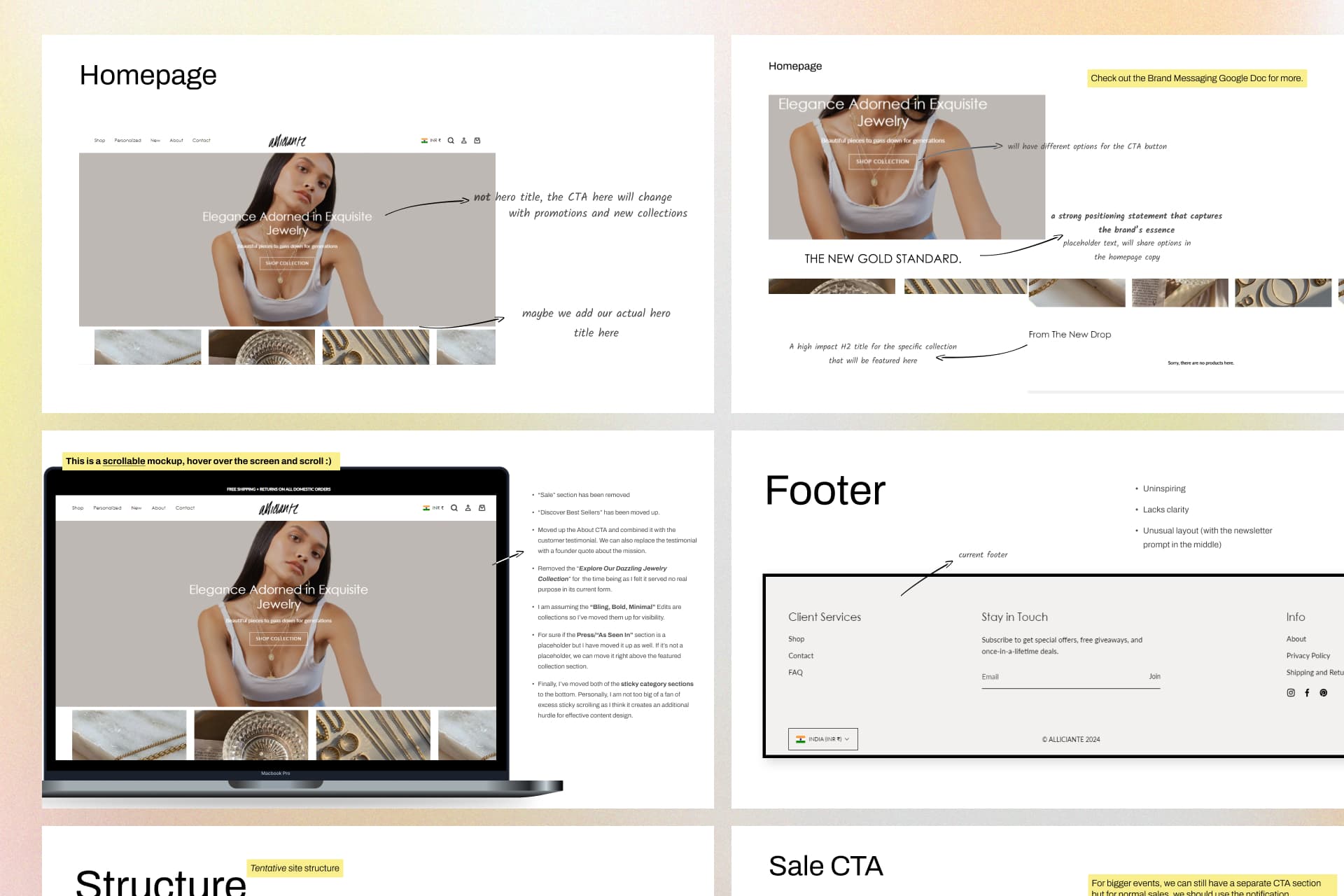
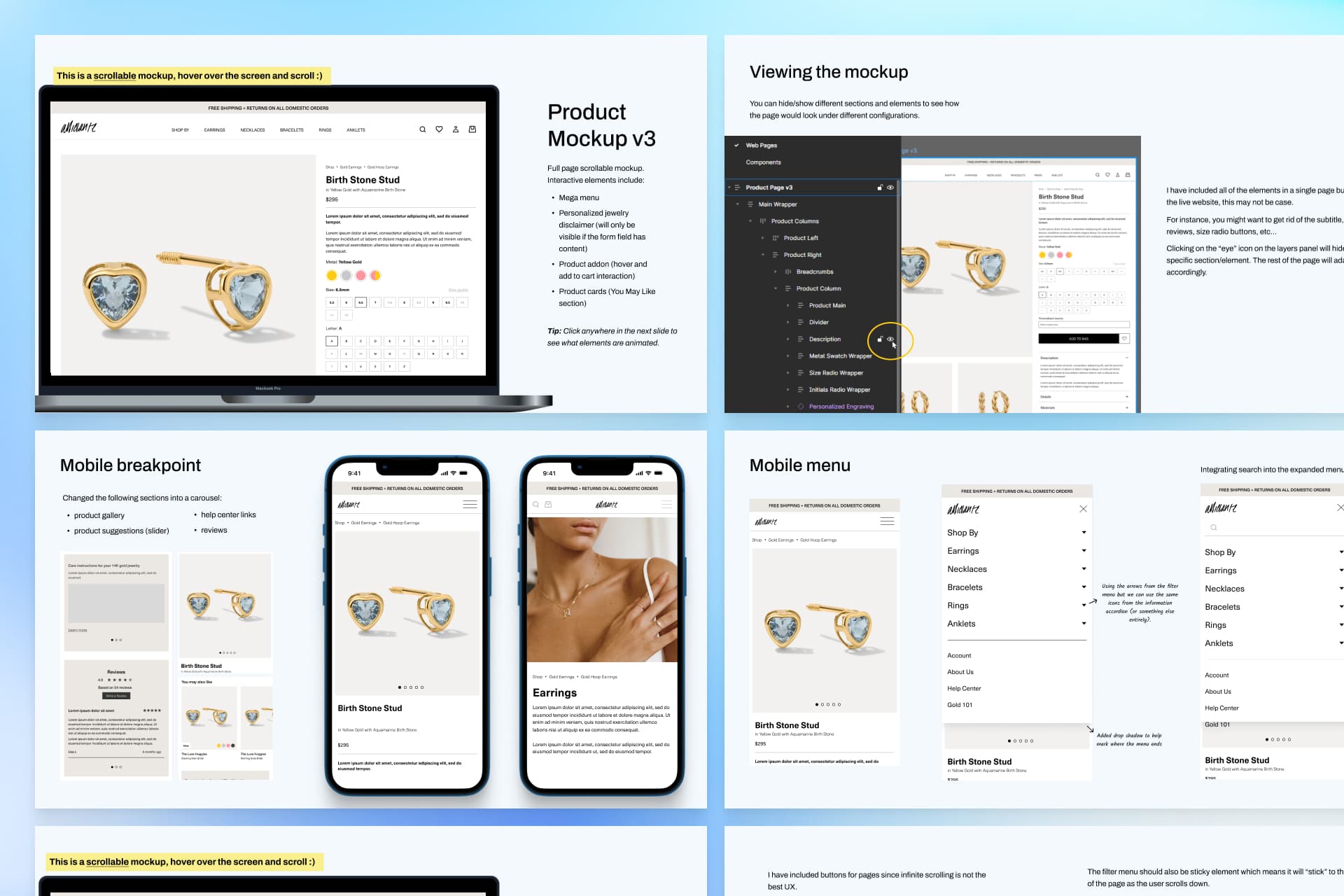
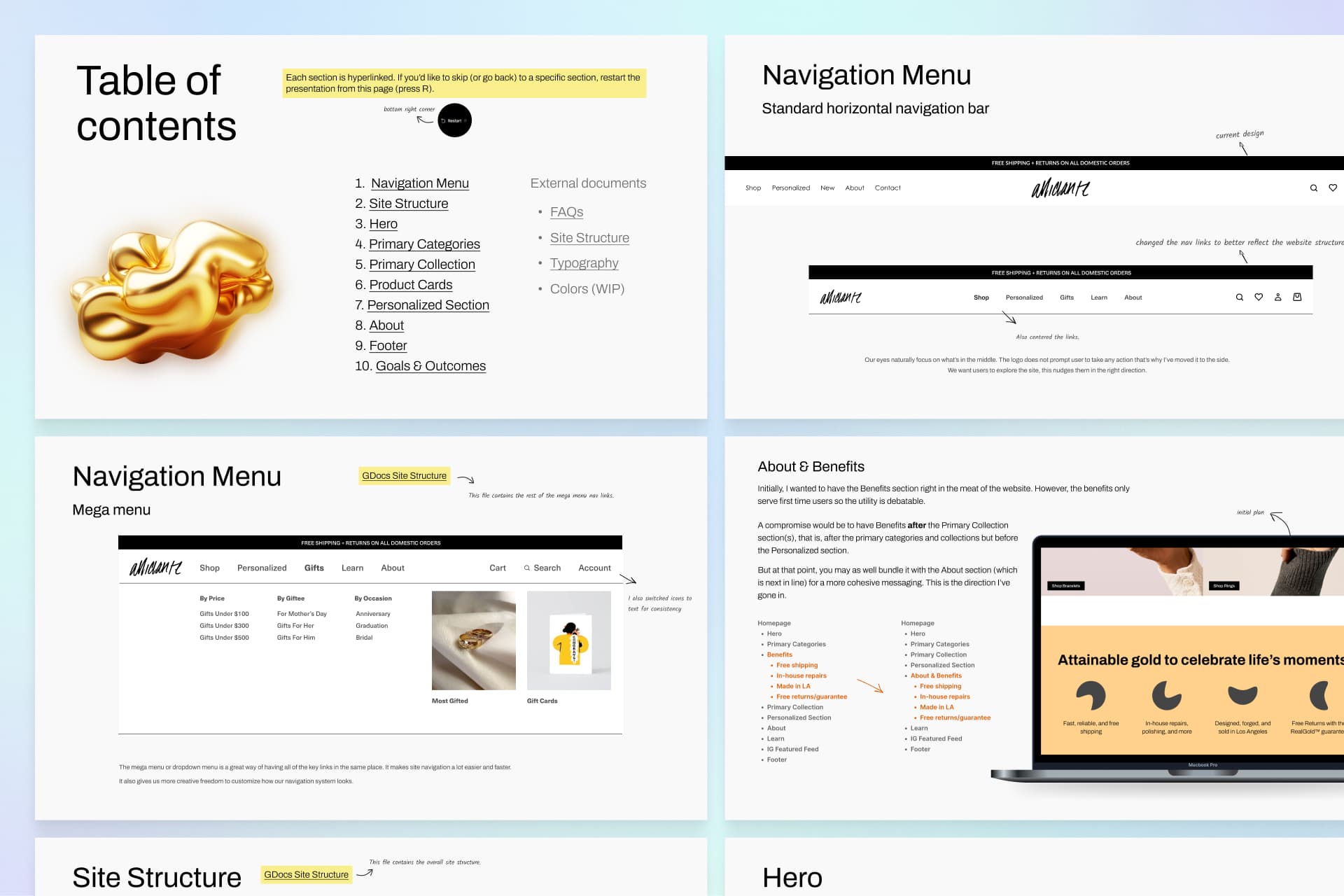
While the field may have started as damage control because of how it looked from the outside, the Winters methodology, the GOV.UK reorganization, and the Alliciante deck all point to the same thing – the value of content design is highest before a single line of code is written.
In a way, it’s mostly a visibility problem… and visibility problems are, at least, solvable.
End of entry