
When single entities control public package registries, open-source dependencies carry the exact same platform risk as proprietary cloud infrastructure. The sudden lockout of WP Engine from WordPress.org settled any lingering ambiguity regarding whether software commons can remain neutral when operated by commercial competitors.
01The WordCamp Confrontation and Registry Weaponization
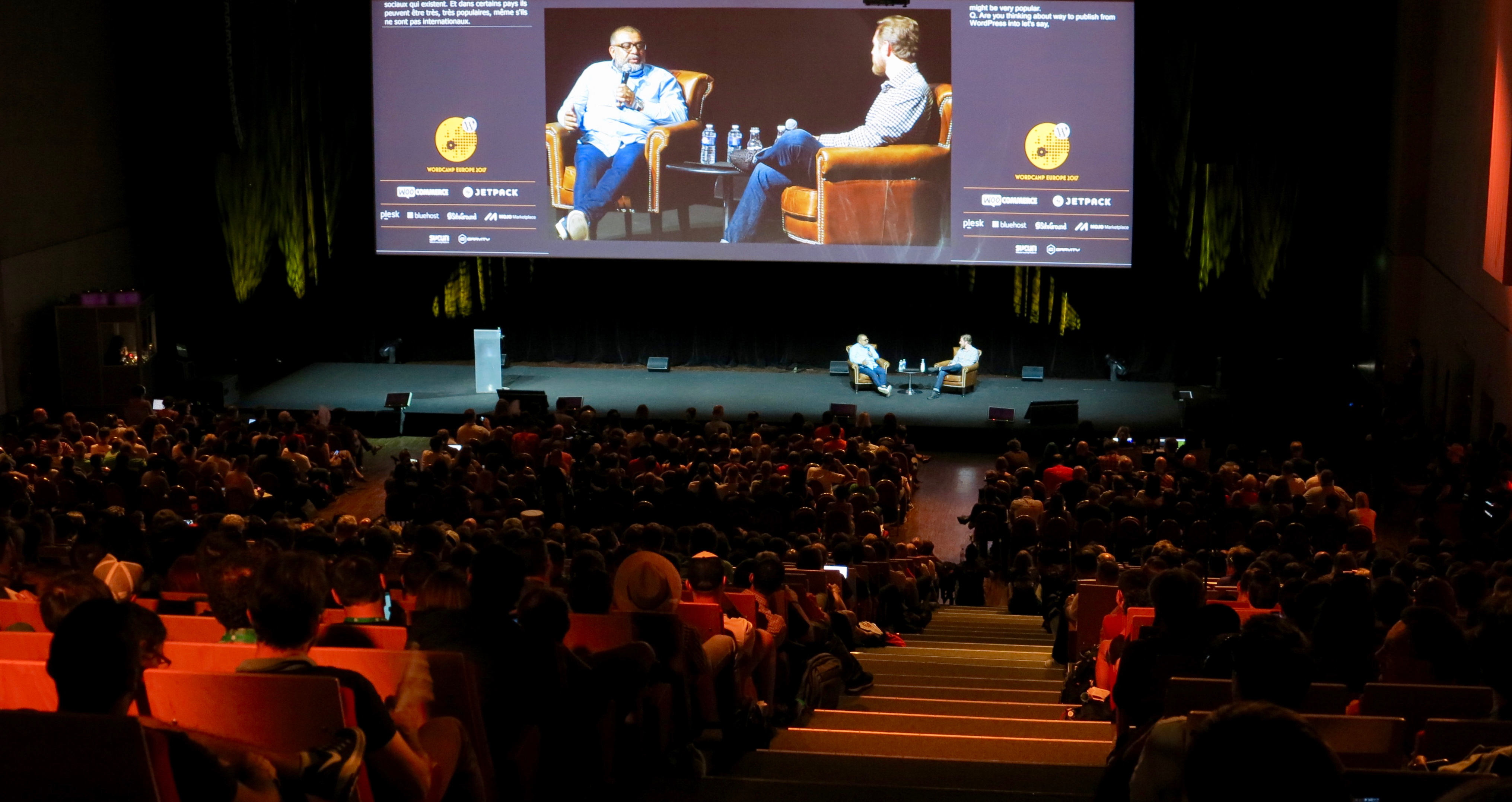
The dispute erupted into public view during the closing keynote at WordCamp US in Portland, Oregon. Matt Mullenweg, co-founder of WordPress and chief executive of Automattic, publicly singled out WP Engine – a managed hosting provider backed by private equity firm Silver Lake – characterizing the firm as an extractive entity profiting from open-source labor without adequate reciprocal engineering investment.
"WP Engine is a cancer to WordPress. It is important to remember that they are controlled by Silver Lake, a private equity firm with billions under management who does not give a damn about your open-source ideals."
Matt Mullenweg, Keynote at WordCamp US & Statement on X
Within days, verbal conflict escalated into infrastructural retaliation:
- September 21, 2024: WordPress.org published an official declaration stating WP Engine is not WordPress, citing trademark disputes and demanding licensing royalties.
- September 23, 2024: WP Engine served Automattic and Mullenweg with a formal cease-and-desist letter alleging defamation and commercial interference.
- September 25, 2024: WordPress.org blocked WP Engine’s network servers from accessing plugin and theme directory APIs, severing automated security patch distribution across millions of websites.
- October 2, 2024: WP Engine filed a federal complaint in the U.S. District Court for the Northern District of California alleging extortion, unfair competition, and violations of the Computer Fraud and Abuse Act.
- October 12, 2024: WordPress.org executed a unilateral takeover of the Advanced Custom Fields (ACF) plugin entry, cloning the repository under the identifier "Secure Custom Fields" and deploying it to existing client installs without maintainer consent.
"Open source was supposed to protect developers from the capricious whims of corporate gatekeepers. When the central registry for a third of the web is weaponized against commercial rivals, the ecosystem inherits the fragility of a closed garden."
David Heinemeier Hansson, Creator of Ruby on Rails, Reaction on X

02The Fallacy of the Benevolent Central Registry
For over two decades, digital agency developers operated under the assumption that public package indexes – whether WordPress.org, npm, PyPI, or RubyGems – function as neutral civil utilities. Engineering teams audited plugin source code under the GNU General Public License (GPL), confident that open licensing guaranteed immunity from supplier capture.
This perspective confused source code copyright with distribution infrastructure. While GPL guarantees developers the legal right to run, inspect, and modify software, it confers zero rights over the centralized distribution pipes that deliver compiled binaries to end-user servers:
- Distribution Monopoly: When client sites poll a single origin server for daily security updates, that single endpoint possesses absolute authority over deployment status.
- Registry Discretion: WordPress.org is not governed by an independent standards foundation with transparent fiduciary checks; its administrative credentials sit under the private operational control of Automattic leadership.
- Dependency Poisoning: The forced re-pointing of Advanced Custom Fields demonstrated that downstream consumer sites will execute whichever binary the centralized index serves, regardless of developer repository state.
"The WordPress situation reveals a systemic vulnerability across modern software packaging: governance by individual personality rather than institutional consensus creates instant platform risk for enterprise deployments."
Simon Willison, Open Source Researcher and Datasette Creator, Reaction on X & Analysis
03The Strategic Reckoning for Agency Architects
Enterprise development teams cannot base procurement decisions on ideological assumptions regarding community harmony. When downstream dependency resolution can be interrupted by private litigation, the software pipeline must be architected defensively:
- Private Mirror Repositories: Production deployments must decouple from public endpoints by routing all plugin resolution through self-hosted artifact mirrors.
- Immutable Package Pinning: Codebases must lock dependencies to explicit hash-verified commits, terminating automatic upstream updates from third-party indices.
- Decoupled Application Architecture: Reliance on monolithic CMS extensions must yield to headless frontends and containerized service layers, isolating core business logic from single-vendor ecosystem politics.
The WP Engine lockout permanently altered enterprise risk calculation. Open source remains an extraordinary engine of technical velocity, but the registries that feed it are commercial choke points that require the same cold institutional skepticism applied to any proprietary vendor.
End of entry