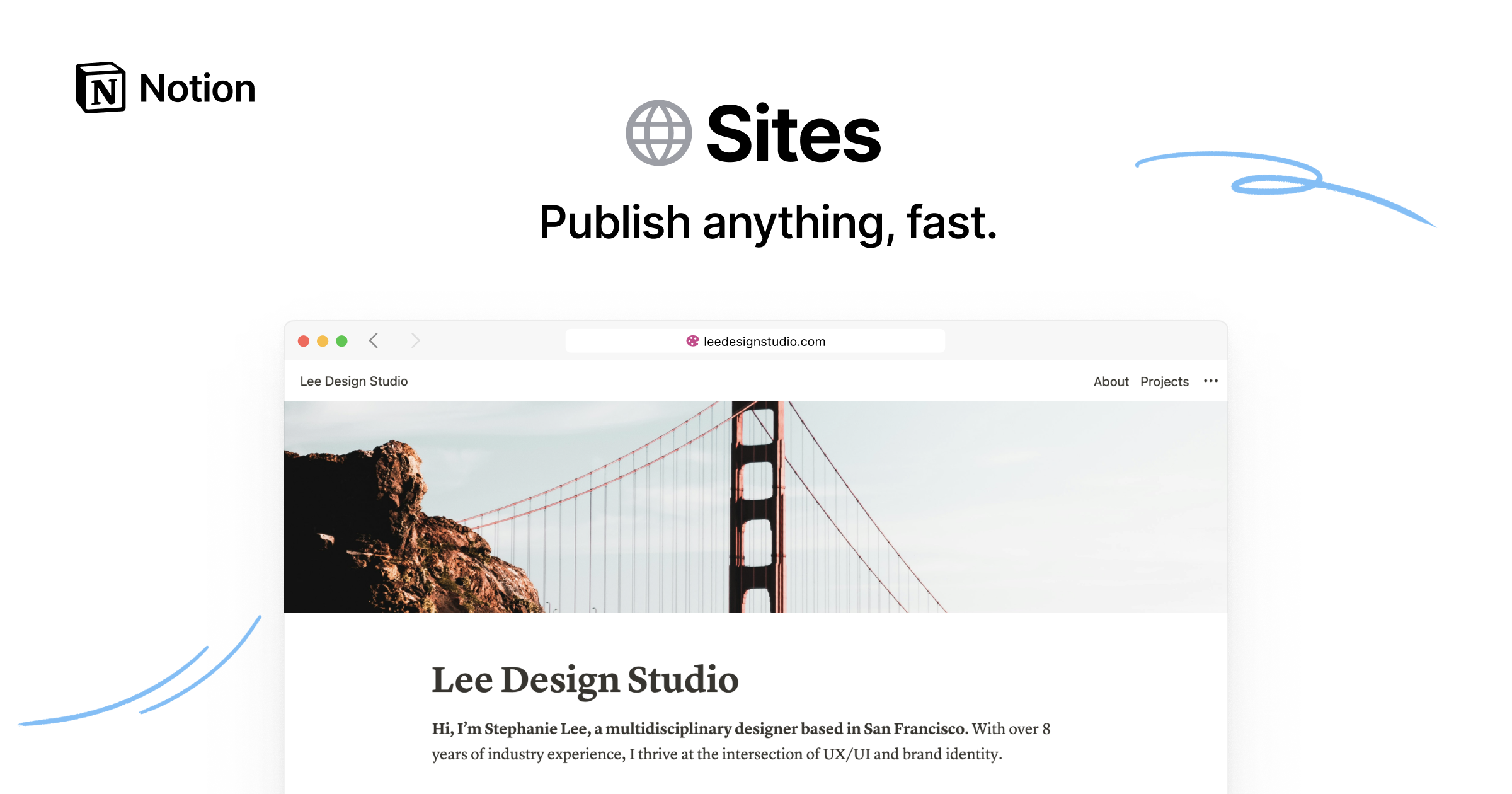
When internal company operating records double as public production infrastructure, maintaining an isolated visual canvas ceases to be an asset and becomes pure operational friction.
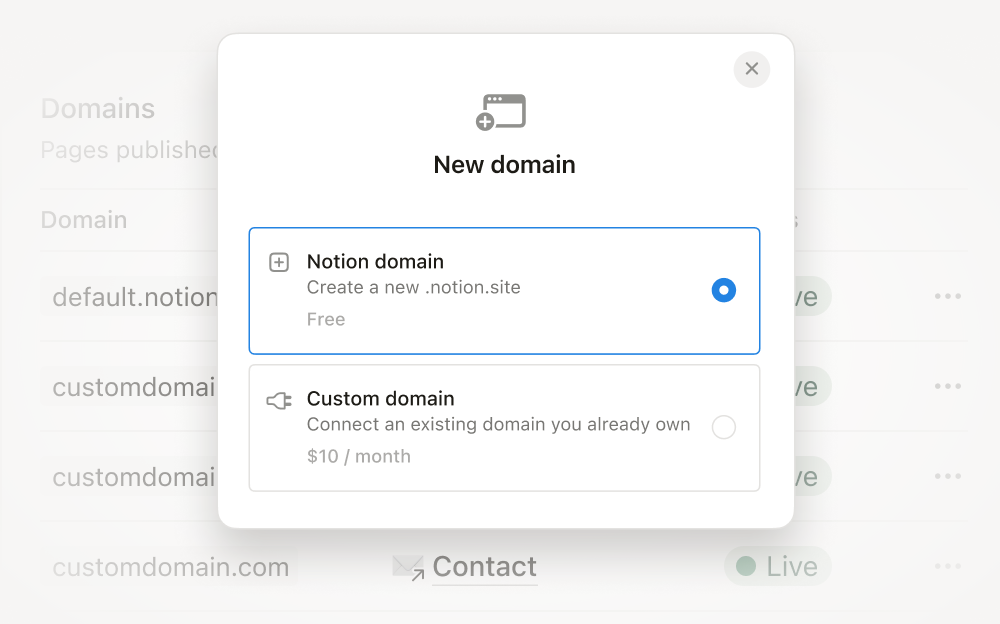
The deployment of native custom domain hosting, metadata controls, and persistent site navigation inside Notion's document editor was widely misconstrued as an entry into personal website creation. That interpretation reflects a persistent misunderstanding of enterprise software economics. In reality, the integration establishes an administrative precedent that destabilizes the conventional division between internal knowledge storage and outward-facing corporate collateral.
For over a decade, digital product teams accepted a bifurcated workflow as an inevitable tax on digital operations:
- Internal Knowledge: Operating procedures, compensation tiers, and release roadmaps lived in internal relational tables.
- External Publishing: Public representations of that same data required extraction, reformatting, and manual migration into secondary web frameworks.
- Translation Drag: Synchronizing updates across both environments required cross-functional engineering sprints or external agency tickets.
The introduction of first-party web hosting transforms every internal table, project record, and changelog into a live production node. By turning the corporate wiki into an internet-facing endpoint, the architectural friction between private documentation and external publishing disappears entirely.
"A document should not just be a static sheet of paper you share internally. When you can turn any Notion page or database into a live website on your own domain in two clicks, the boundary between an internal workspace and the internet dissolves."
Ivan Zhao, Co-founder and CEO of Notion, Announcement on X & @NotionHQ
01The Redundancy of the Middle-Tier CMS
Mid-market technology enterprises spend significant capital maintaining headless content management systems linked to specialized frontend frameworks. These configurations demand ongoing engineering maintenance, custom webhook listeners, and defensive synchronization scripts to ensure that content editors do not corrupt presentation logic. Such technical complexity was historically justified by the necessity of brand styling and search indexing. Once a collaborative documentation system provides native domain routing and standard Open Graph controls, that architectural justification erodes for standard informational pages.

The vast majority of corporate web collateral does not require idiosyncratic art direction:
- Product Documentation & APIs: Prioritizes hierarchical search, typographic hierarchy, and code block formatting over custom page transitions.
- Help Centers & FAQs: Demands instant synchronization with internal support databases rather than complex interactive layouts.
- Careers & Job Boards: Benefits directly from real-time applicant tracking database filters embedded directly in the live page.
- Investor & Legal Portals: Requires verified version accuracy without staging pipeline delays.
Third-party ecosystem services initially emerged to bridge this gap by proxying Notion databases to vanity URLs through reverse-engineered web scrapers. While those utilities validated commercial appetite, their external middleware added security variables and subscription fragmentation to corporate IT budgets. Consolidating domain management directly into the primary workspace renders the wrapper layer obsolete and normalizes the internal document as the final public artifact.
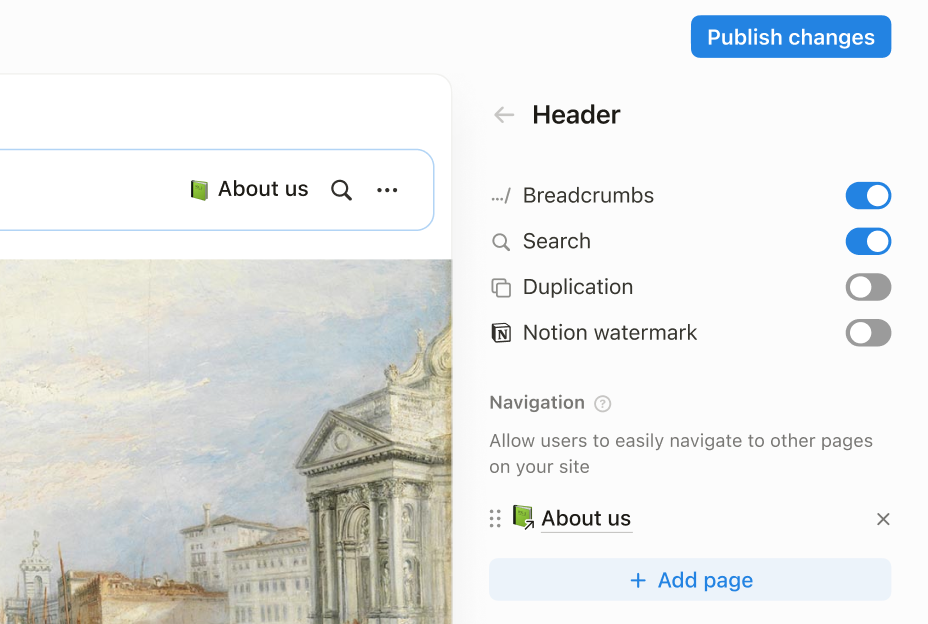
02Compressing Content Latency to Zero
The strategic advantage of native database publishing lies in content latency reduction. When an engineering team updates an API endpoint documentation table or human resources alters benefits eligibility, the public URL reflects the alteration immediately without compilation delays, webhook queues, or staging review approvals.
This immediacy shifts the governance burden:
- Single Ledger of Truth: Edits executed in daily operations propagate directly to public view, eliminating drift between internal realities and external marketing claims.
- Access Control Discipline: Workspaces must enforce strict permission boundaries between draft properties and published views, transforming content designers into database schema architects.
- Economic Defensibility: Reducing annual spend on redundant CMS seat licenses, frontend hosting tiers, and agency maintenance retainers frees capital for differentiated core product engineering.
The corporate web is entering an era of structural de-layering. As operational tools assimilate production publishing primitives, the rationale for maintaining bespoke publishing machinery for standard corporate communication permanently collapses.
End of entry